Picking the right garage door installer changes how your house looks, how your daily routine flows, and sometimes how safe your family is. In Dallas, where heat, humidity, and windstorms strain doors more than in many parts of the country, the choice matters. You can get away with a mediocre installer for a cosmetic fix, but for a new opener, spring replacement, or a heavy insulated door that needs correct balancing and alignment, poor work will reveal itself fast. This guide walks through practical signs, concrete questions to ask, and trade-offs worth accepting so you hire someone who stands behind their work.
Why the decision matters Garage doors are heavy moving systems. A misaligned track or a spring installed wrong can cause sudden failure, damage a car, or injure someone. Beyond safety, a properly installed door saves energy, reduces noise, and lasts longer. In Dallas, thermal expansion and contracting, sun exposure, and occasional hail accelerate wear on seals, rollers, and paint. That makes preventative workmanship and quality materials more valuable than the lowest bid.
Know what you really need Before you call companies, be clear about scope. Are you replacing an entire door and opener, swapping springs, or repairing panels after a hit? An installer who does 90 percent repairs and 10 percent installs might be excellent at quick fixes but not set up for full replacements and warranty registrations. Conversely, a commercial garage door installation large installation company may push a new unit when a repair would be more cost-effective.
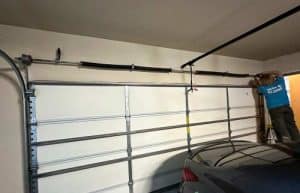
Measure and inspect first, then decide. For example, if your door wobbles and the spring gap looks uneven, that usually signals a torsion spring problem that requires measured replacement. If the door rolls unevenly and rollers are visibly crowned or rusted, the tracks or rollers likely need attention. Not every issue merits replacement of the whole system, but every honest installer should explain the condition and provide options with clear pros and cons.
How to vet a Dallas installer Licensing and insurance are the baseline. In Texas, garage door installers are not required to carry a specific statewide license like electricians or plumbers, but that does not excuse you from asking for proof of general liability insurance and workers compensation. An installer without insurance shifts risk to you if a worker is injured on your property or if a truck smashes your driveway gate.
Local knowledge matters. Ask how long they have worked in Dallas or the metro area and whether their crews are trained on issues common here, such as tropical-storm rated garage door repair company Dallas TX reinforcement, wind code requirements, or insulated door recommendations for south-facing garages. If a company has handled courthouse contracts, HOA installations, or commercial rollups in Dallas, that experience translates to understanding municipal permitting and stronger fastening standards.
Reputation is more than stars Online reviews are useful, but contextualize them. A company with a long history and a steady flow of reviews is usually more consistent than one with a perfect five-star rating from five recent accounts. Look at review trends, not individual glows. Are there recurring complaints about missed appointments, hidden costs, or patchwork repairs? If multiple reviewers mention the same problem, take that as a red flag.
Ask for recent local references you can call. A good installer will provide names, addresses, or photos of recent jobs in Dallas—especially work similar to yours, such as a carriage-style insulated door or a high-lift opener installation. Visit a nearby project if possible. Seeing a finished job, listening to the homeowner’s experience with timing and follow-up, reveals more than a polished brochure.
Questions to ask on the phone and in person When you call, you should get more than a sales pitch. The following checklist helps structure conversations, and each item is a prompt for a short, concrete answer rather than marketing language.
Checklist to use when interviewing installers:
Are you insured, and can you provide proof today? Do you offer a written estimate with parts and labor broken out, and how long is the estimate valid? What specific brands and models do you install, and do you handle warranty service directly? How long have you been installing in Dallas, and can I see three recent local references? What post-installation support do you provide, including emergency service and spring/opener warranties?How to read their answers If a company hesitates to email proof of insurance or to name brands, that hesitation is informative. A clear answer about brands and warranty work tells you whether they are an authorized dealer or a general installer. Authorized dealers can often register warranties for you, which simplifies later claims. If they install multiple brands, that can be a sign of experience; if they push one brand exclusively, ask why and whether that brand performs better in Dallas conditions.
Understanding estimates and hidden costs A fair estimate breaks out the cost of the door, hardware, springs, opener, labor, and any required permits or removal of the old door. Beware of vague "from" pricing. If the written estimate leaves major line items blank or promises "final pricing after removal," push for numbers. Removal can add several hundred dollars, and loading the door into a landfill has its own disposal cost. In Dallas, if your property is in a floodplain or within specific HOA rules, additional reinforcements or permits may be necessary; a competent installer will flag those costs.
Quality of materials and the trade-offs Budget doors use thinner steel and cheaper rollers, which reduces upfront cost but increases vibration and noise, and shortens the service life. Premium insulated doors with polyurethane cores and steel thickness of 24 gauge or heavier add 20 to 50 percent to material costs but reduce heat transfer and often qualify for better warranties. For Dallas, where keeping cars and stored items cooler in summer matters, insulation can be worth the premium.
Hardware quality matters more than many homeowners realize. Ball-bearing rollers instead of nylon sleeves reduce wear and noise. Galvanized or stainless hardware resists corrosion from humidity and treated water used in sprinklers. Torsion springs should be sized for your door weight and cycle rating. A common trade-off: a heavier door with better insulation requires stronger springs and a more robust opener, raising installation cost. Decide which matters most: initial saving or long-term performance.
Opener selection and smart features Openers now range from basic chain-drive units to belt-drive options with built-in Wi-Fi and battery backup. Chain drives are robust and cost-effective but noisy, often unsuitable if the garage is under a bedroom. Belt drives cost more and are quieter. If you want remote monitoring and smartphone control, ensure the opener’s security protocol is up to date; older Wi-Fi openers may use weak authentication that can be exploited.
In Dallas, battery backup is valuable because storms can knock power out for hours. A battery-backed opener allows secure use during outages and keeps automatic closing features working. Ask about door control integration for home security systems if that matters to you; not every installer will configure or guarantee integration.
Installation quality indicators during the job Watch how the crew treats your property. They should lay protective mats on the floor, park vehicles without blocking your driveway unnecessarily, and keep the site tidy. Installation should not be a race; measure time against the job complexity. Replacing springs and rollers on a standard single-car door often takes one to three hours. Full door and opener replacement commonly occupies a full day.
Listen for precision. During testing, a properly balanced door should remain in place if lifted halfway manually. The installer should test and calibrate limit switches on the opener, check reverse sensitivity using a 2x4 across the threshold, and demonstrate emergency release operation. They should leave the work area clean and offer a final walkthrough explaining maintenance items you can do monthly or yearly.
Warranties and service policies Understand what parts and labor the warranty covers and for how long. Many manufacturers offer limited lifetime warranties on door panels, but that typically requires the door to be registered and the installer to be certified. Springs and openers often carry separate warranties. Ask who performs warranty repairs. If the installer partners with the manufacturer, they will handle claims; otherwise, you may be left to coordinate and pay for labor.
Ask about emergency service windows. If the company promises 24-hour response, get the terms in writing. A typical expectation for good contractors in a large metro like Dallas is next-business-day service for non-emergencies and same-day for stuck doors or safety hazards. Verify whether dispatch fees apply for nights or weekends.
Price negotiation without sacrificing quality Instead of asking for the lowest price, ask for value. If a bid is substantially lower than others, ask what is different. Lower cost can mean thinner steel, non-ball-bearing rollers, uninsulated panels, or omitted warranty registration. If you prefer to reduce cost, you can accept a less expensive hardware package while keeping a premium door, or choose a simpler opener with the option to upgrade later. A pragmatic installer will explain viable savings that do not undermine safety.
Beware of red flags If someone arrives with only a solar-printed estimate, insists on on-the-spot decisions, demands full cash up front, or cannot provide local references, walk away. Beware of companies that pressure you with scare tactics about imminent collapse; while some doors are urgent, high-pressure sales rarely align with professional practice. If an installer suggests simply cutting costs by skipping essential steps like sheathing replacement, proper spring sizing, or anchoring, that is a warning.
A short anecdote from the field I once supervised a job where the homeowner chose the cheapest bid for a double-car door, partly because the salesperson promised a same-week installation. The crew arrived two days later with the wrong track, improvised parts, and no ballast for the torsion springs. The result was a door that sagged after two months. The homeowner paid again to have the work redone properly with heavier track and correctly sized springs. The moral: the truly economical choice is often to pay a fair price for correct work once, not patchwork twice.
Maintenance that protects your investment A simple maintenance routine increases life expectancy. Monthly visual inspection for frayed cables, loose screws, and worn rollers prevents major failures. Annual lubrication of bearings, hinges, and locks with appropriate products reduces friction. Springs are under extreme tension; have a professional inspect them annually. If your installer offers a maintenance agreement for periodic checks and prioritized service calls, that can be worth the annual fee in Dallas where seasonal extremes accelerate wear.
Final decision and next steps Narrow your list to three installers based on insurance verification, specific answers to the checklist, and local references. Compare their written estimates line by line. Ask each to explain the single biggest difference between their bid and the cheapest one. Trust your instincts when someone is evasive or dismissive. The right installer combines local experience, clear paperwork, proper insurance, and a willingness to explain trade-offs.
If you have a named preference or brand, request that model and ensure the installer can supply it. If you have an HOA, submit plans or samples of the proposed door and get preapproval before ordering materials to avoid delays.
Closing with a practical reminder A garage door is a mechanical system that interacts with home security, convenience, and curb appeal. Choosing an installer in Dallas is less about finding a lowest price and more about picking the team that reduces risk, understands local conditions, and stands behind their work. Use the checklist during calls, insist on written estimates and proof of insurance, and prefer installers who can show recent local work. That approach prevents costly surprises and leaves you with a door that opens smoothly for years.
Premium Garage Door Repair
18383 Preston Rd #202, Dallas, TX 75252
+1 (972) 529-6900
[email protected]
Website: https://premiumgaragedoorrepair.net/